
I’ve been playing pickleball for a while now, and at the same time, I’ve noticed more and more people, especially here in the Philippines, growing an interest in tennis and other racket sports.
Somewhere between trying to win points, losing them, showing up to play again, watching other people play, and simply having fun, I started thinking about how much sports can teach us about running a business.
I play sports for three reasons.
First, because I can.
This is probably the simplest, but also the most important one.
I want to celebrate the fact that I am able to move, run, play and use my body. There are people who would love to play a sport, or even simply walk, but cannot. So I try to remind myself that for as long as I am able, I will.
Not because I have to exercise. Not because I need to hit a certain number of steps or burn a certain number of calories.
Simply because being able to move is something worth celebrating.
Second, because I genuinely enjoy it.
Playing doesn’t feel like working out to me and again, I don't treat it like one.
It reminds me of being a child and spending hours outside, playing in the streets. Back then, nobody had to tell us that movement was good for us. We weren’t counting calories or thinking about exercise. We were moving because it was fun.
That’s the kind of enjoyment I get from sports now.
For a little while, you’re not thinking about everything else you need to do. You’re just trying to get to the ball.
And third, because I want to build discipline.
I’ve been loosely studying athletes, not in any formal way, but simply paying more attention to how they train, how they think, and what separates those who become great from everyone else.
And discipline is probably the most glaring thing.
They show up when they feel like it and when they don’t.
They repeat things they’ve already done thousands of times.
They train when nobody is watching.
They lose and come back.
They do the boring things over and over again because they understand that becoming good at something isn’t built on the days when you happen to feel motivated.
I want more of that discipline in myself too.
And while I was thinking about these three reasons, I realized something:
They aren’t actually very different from the reasons I started businesses.
I started because I had the opportunity to.
I started because I genuinely enjoyed creating, building, figuring things out and seeing an idea become something real.
And somewhere along the way, business became one of the greatest exercises in discipline I could have chosen for myself.
You have to keep showing up.
You have to do things you don’t feel like doing.
You win some things and lose others.
You compete.
You practice.
You make mistakes.
You get better.
And hopefully, despite how seriously you take all of it, you still remember to enjoy playing.
The more I thought about it, the more I realized that sports and business might be teaching us many of the same things.
There’s a reason athletes often say that sports are as much a mental game as a physical one. You think you’re training your body or learning a sport, but somewhere along the way, you’re also training your mind, your discipline, your patience, your resilience, and your relationship with winning and losing.
And isn’t business the same?
You start a business thinking you’re going to build something: a company, a brand, a career, an income.
But while you’re busy growing the business, the business is growing you, too.
It exposes the parts of you that need work. Your patience. Your discipline. Your ability to make decisions under pressure. Your ego. Your relationship with failure, competition, uncertainty, money, and even success.
You think you’re building something outside of yourself, only to realize that so much of the work was happening within you all along.
And maybe that’s why there’s so much we can take from sports and bring into business.
So here are a few lessons from the court that I think are just as useful when we step back into our businesses.
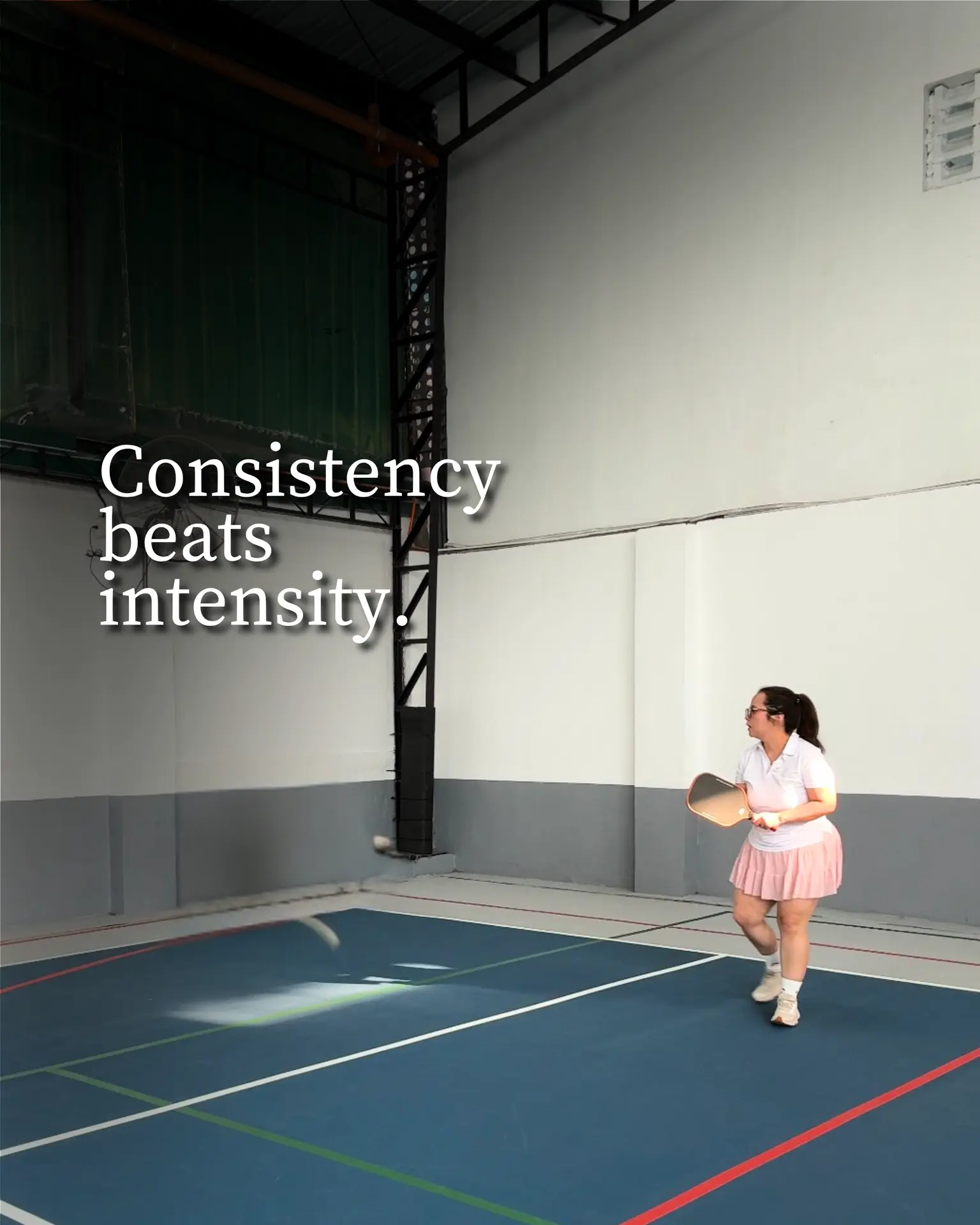
You don’t become good at a sport because you played incredibly well once.
You become good because you keep showing up.
You practice when you’re motivated, but you also practice when you’re not. You repeat the same movements over and over until eventually, what once required so much thought starts becoming natural.
Business is very much the same.
There are moments of inspiration, big launches, exciting ideas and periods when we feel incredibly motivated. But those aren’t what build a business over the long term.
It’s the ordinary days.
Showing up. Doing the work. Following up. Improving. Fixing mistakes. Doing something for the hundredth time even when nobody is applauding you for it.
Consistency isn’t very exciting to watch.
But neither is training.
And both are usually where the results are made.
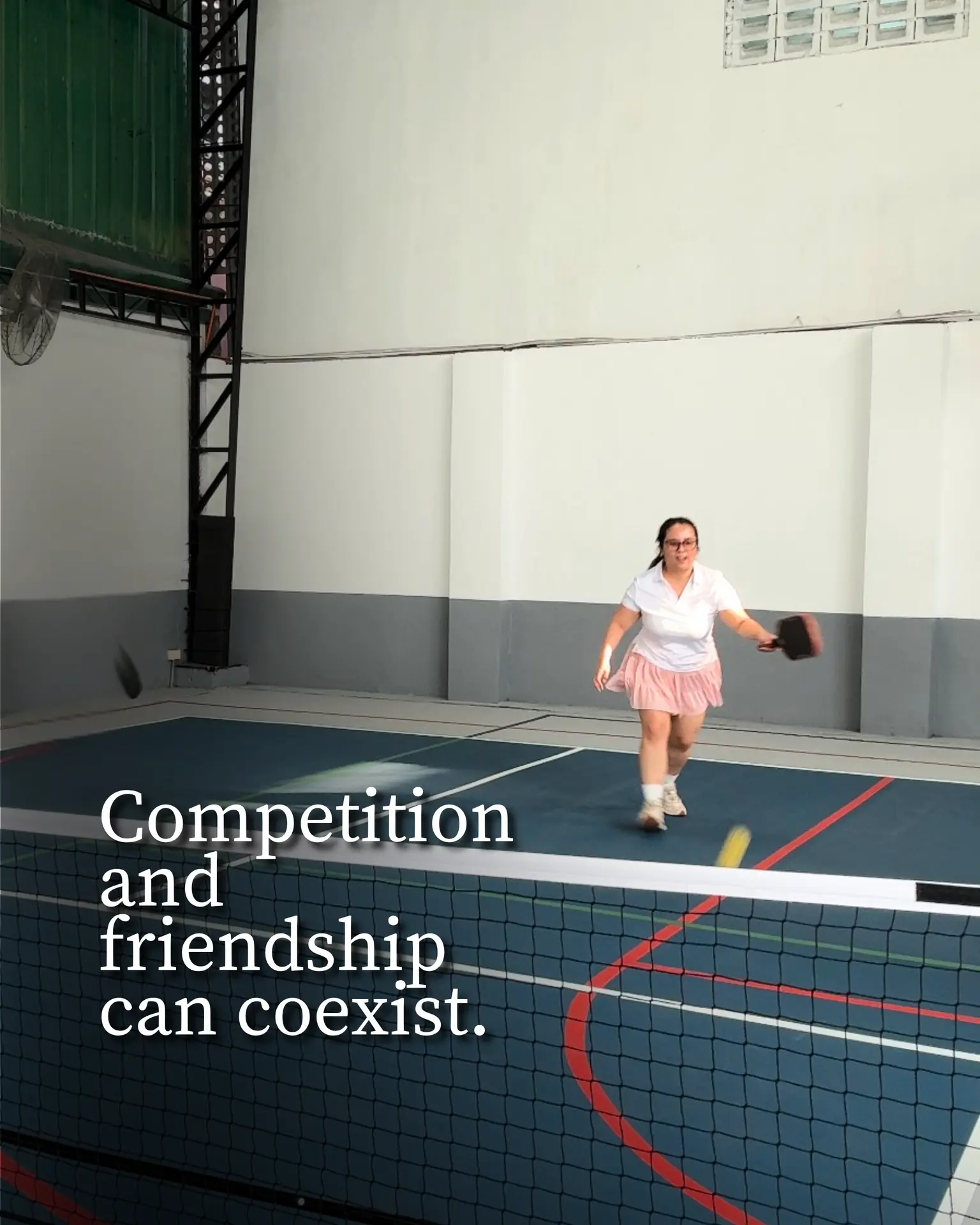
We can compete and still be friends.
This might be one of my favorite things about sports.
When we step onto the court, we know we’re competing.
I want to win. You want to win. We both try our best.
And there is absolutely nothing wrong with that.
But once the game is over, we shake hands. We talk. We laugh. We can practice together, teach each other things and even become friends.
Because wanting to win doesn’t require wanting someone else to fail.
I wish we remembered this more often in business.
Competition is natural. In many ways, it’s healthy. It pushes industries forward. It makes us improve. It forces us to ask how we can serve people better.
But we’re also playing the same sport.
Someone else’s success doesn’t require our resentment, just as our ambition doesn’t require their failure.
We can compete and still root for each other.
Think of Rafael Nadal and Roger Federer.
They were two of the greatest competitors in tennis, and when they stepped onto the court against each other, they played to win. Neither of them had to play weaker, hold back, or make themselves smaller just to be nice to the other person.
They competed as hard as they could. They tried to beat each other. That was the whole point of the match.
And when the match was over, the competition stayed on the court.
They could go back to respecting each other, supporting each other and being friends.
I think there’s something beautiful about that.
Being kind doesn’t mean making yourself less competitive. And being competitive doesn’t require being unkind.
Maybe we need more of that in business.
We should be able to say, I want my business to succeed. I want to be great at what I do. I want to compete, and yes, I want to win, without that automatically meaning we want somebody else to lose.
When it’s time to play, play your best game.
And when the game is over, remember that we’re all still people who happen to love and play the same sport.
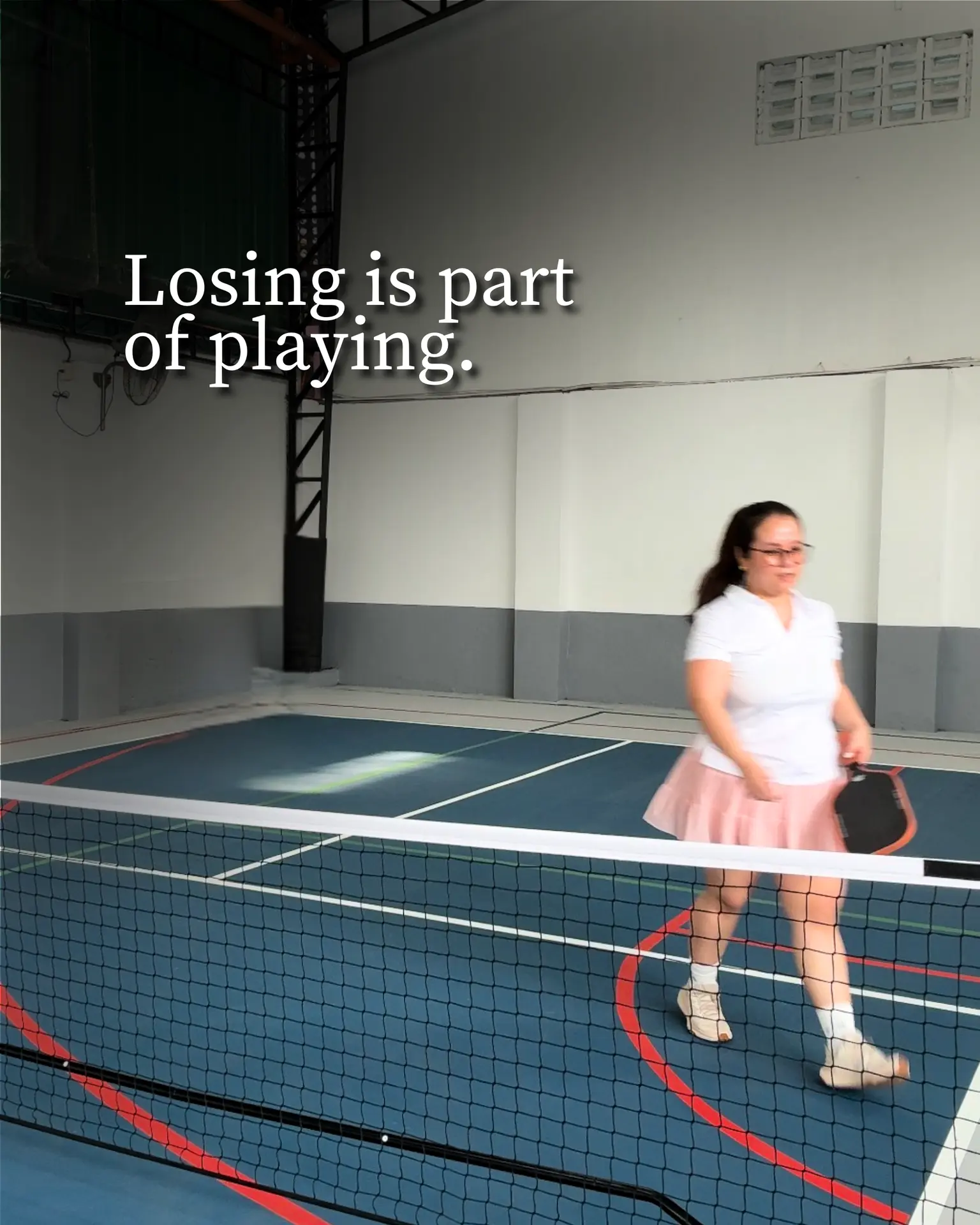
Imagine an athlete believing every loss meant they weren’t meant for the sport.
There wouldn’t be many athletes left.
Losing is expected.
Sports teach us that we can lose today and win tomorrow, and then lose again the day after. That’s simply how the game goes.
You lose a point. You lose a game. Sometimes you have an absolutely terrible day.
Then you figure out what happened.
You practice.
And you play again.
Yet in business, one bad day or month can make us question everything.
A launch doesn’t perform the way we expected. A product fails. A client leaves. We make the wrong decision. Someone else gets the opportunity we wanted.
Suddenly it feels enormous.
But maybe it was simply one game.
A loss doesn’t mean the game is over.
There is always another game, but you have to stay in the game long enough to play it.
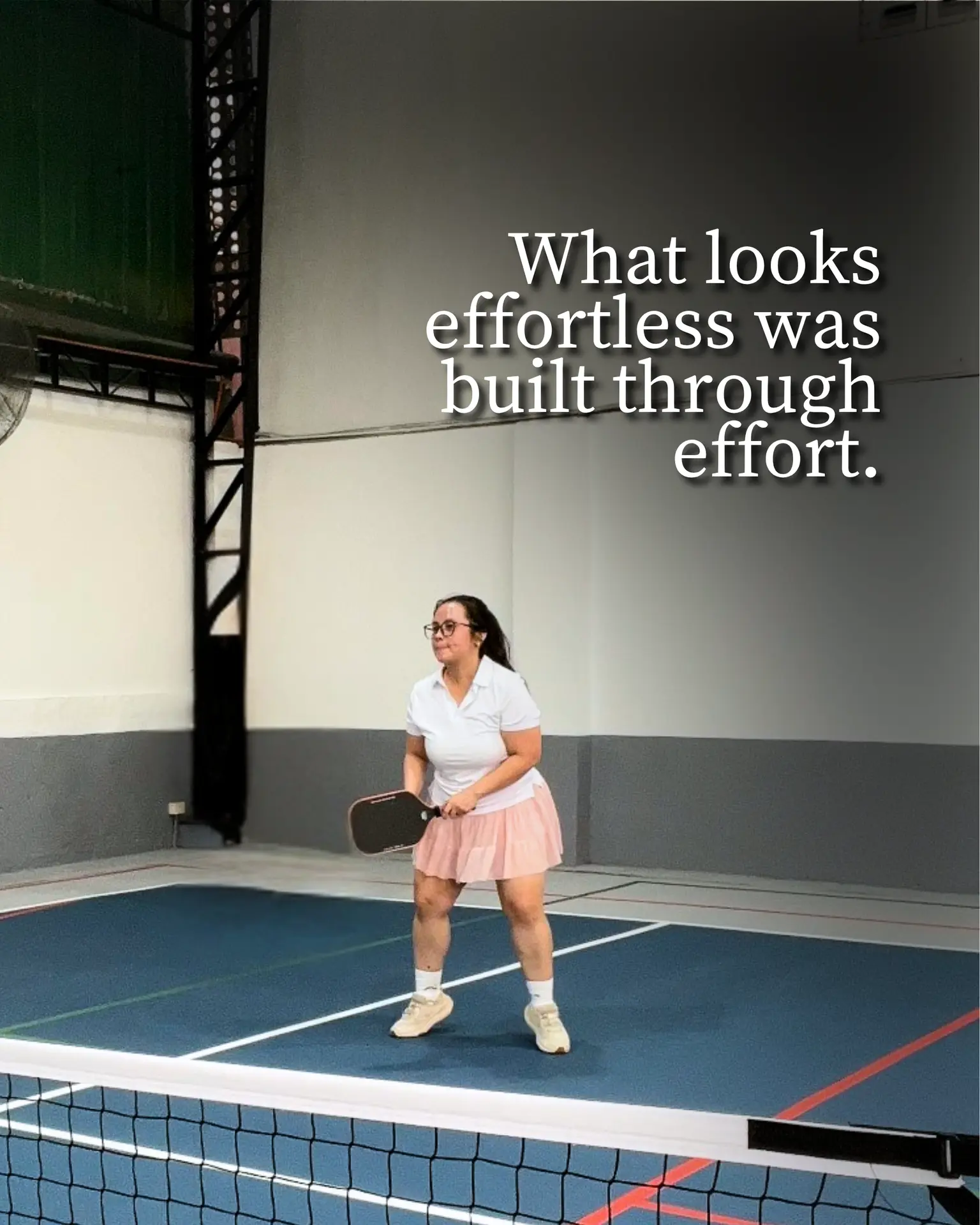
Watching someone who is really good at a sport can be deceiving.
They make it look easy.
The movements are natural. Their reactions are fast. They seem to know exactly what to do without thinking about it.
What we don’t see are the repetitions that created that ease.
Or maybe, at some point, they didn’t know what to do either. They simply showed up, tried, figured things out as they went, and kept going.
The drills.
The bad games.
The corrections.
The boring practices.
The thousands of times they performed the same movement before anyone was watching.
We do this with successful businesses, too.
We see the beautiful store, the growing team, the busy calendar, the successful launch or the numbers someone finally feels comfortable sharing.
What we don’t see are the scary days.
The days they worried about making rent. The empty calendars. The launches that didn’t work. The months when sales were slow. The mistakes that cost money. The difficult decisions. The moments they questioned whether any of it was going to work at all.
We don’t see how many times they had to figure something out for the first time, or how often they had no idea what they were doing and simply did their best with what they knew at the time.
We see the match.
But we rarely see the day to day grind that made it possible.
People usually see the result, not the repetitions. They rarely see what it took to make that result look effortless.
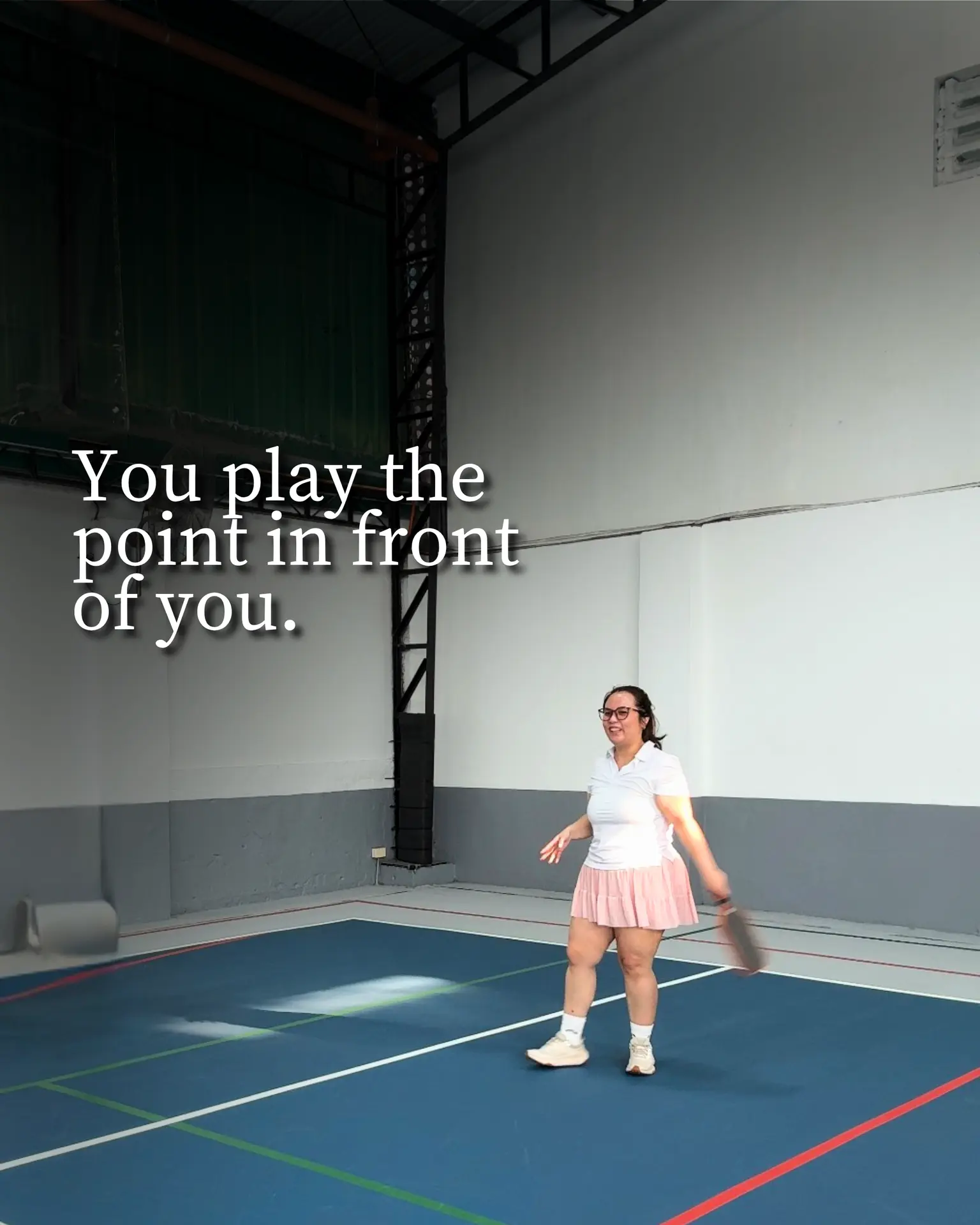
You can’t play your best game while mentally replaying the point you lost five minutes ago.
And you can’t play the next five points at once.
You have to deal with the ball that’s coming toward you now.
Business can become overwhelming because there is always something to think about.
Next month. Next quarter. Payroll. Sales. Marketing. Expansion. Competition. Problems that haven’t even happened yet.
Planning matters, of course.
But sometimes the most useful question isn’t, How am I going to solve everything?
It’s simply:
What does my business need from me today?
Play that point first.
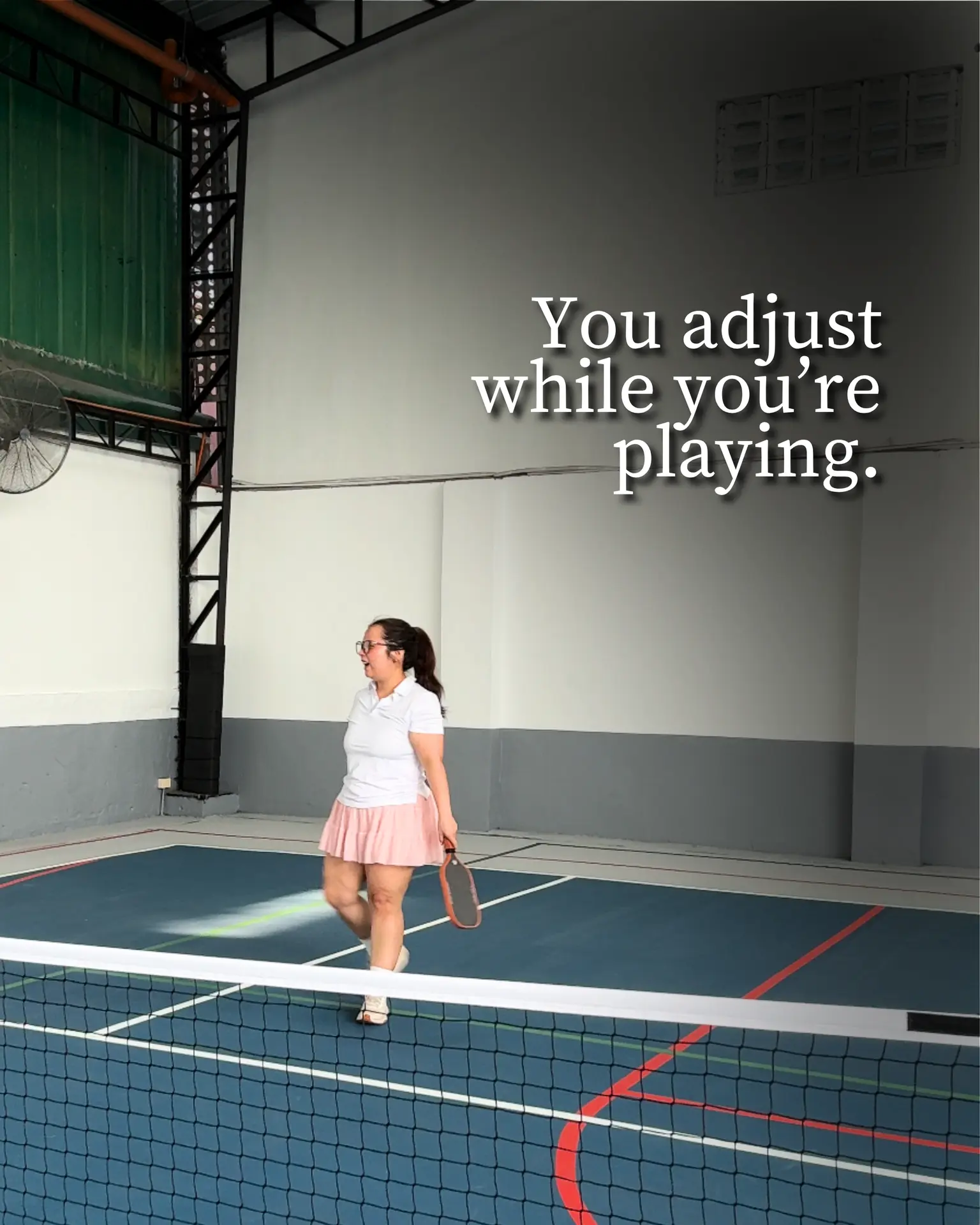
Sometimes your strategy just isn’t working.
So you change it.
You adjust your positioning. Your timing. Your pace. You pay attention to what’s happening on the other side of the court and respond accordingly.
You don’t keep doing something that clearly isn’t working simply because that was your original plan.
There’s a reason coaches call for a timeout.
Sometimes you need to stop playing for a moment, look at what’s happening, talk about what’s working and what isn’t, and decide whether the strategy needs to change.
Businesses need that same flexibility.
We can become so attached to an idea, strategy, product or way of doing things because we’ve already invested so much into it. And sometimes, when you’re too deep in the game yourself, it can be difficult to see what needs to change.
That might also be a sign that you need a coach.
Not necessarily because they know your business better than you do, but because sometimes you need someone outside the game to see what you can’t see while you’re busy playing it.
Someone who can call the timeout, help you look at the bigger picture, point out what’s working and what isn’t, and help you decide what to do differently when you step back in.
Changing your strategy isn’t the same as abandoning your goal.
Sometimes adjusting is exactly how you stay in the game.
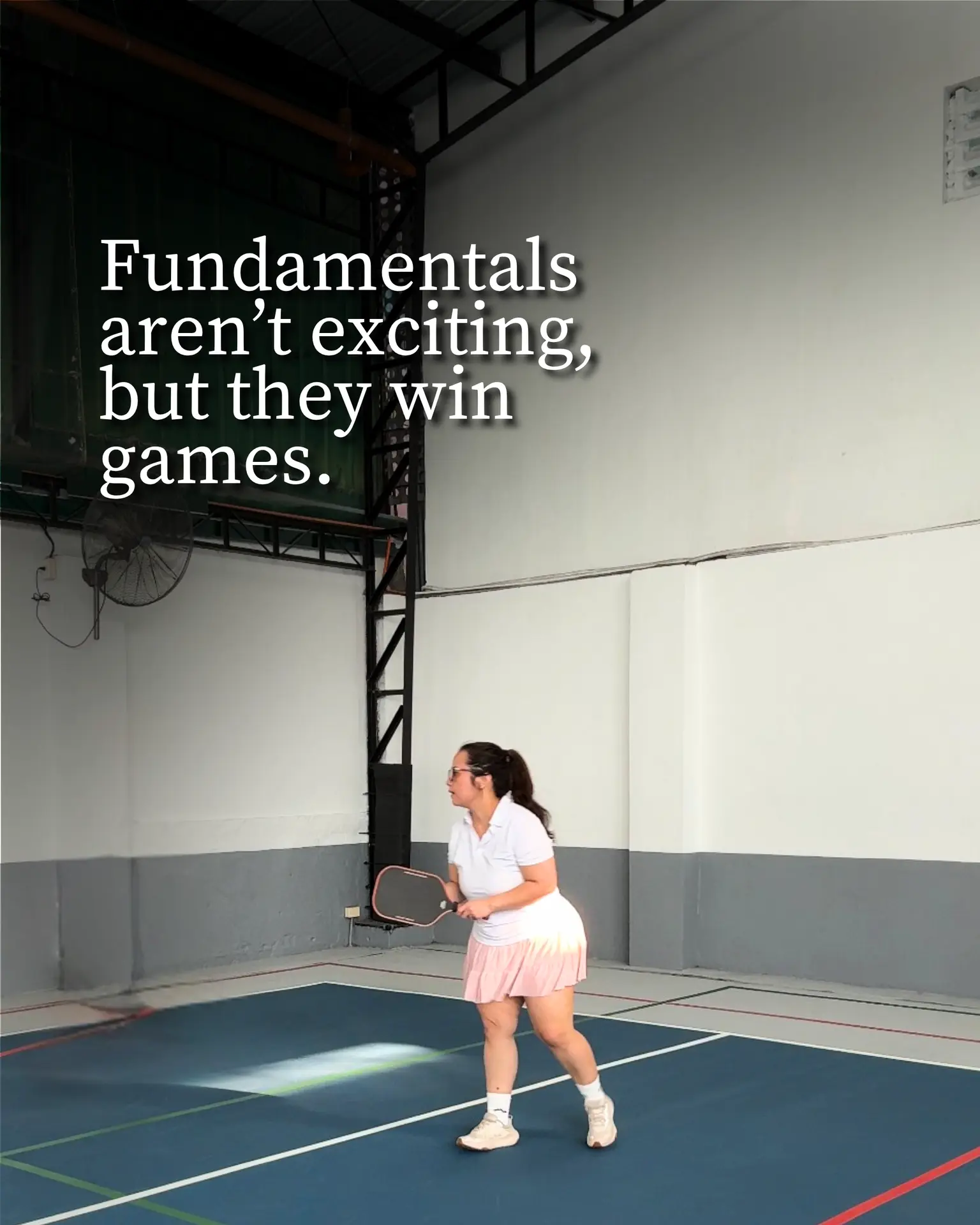
Everyone loves the impressive shot.
But the impressive shot means very little without the fundamentals underneath it.
Footwork. Positioning. Timing. Technique. Repetition.
Business has fundamentals too.
Cash flow. Customer service. Operations. Training. Quality. Follow-ups. Knowing your numbers.
They’re not always the things people want to talk about on social media.
But they’re often the things quietly holding everything together.
There is no point mastering the flashy parts while ignoring the basics.
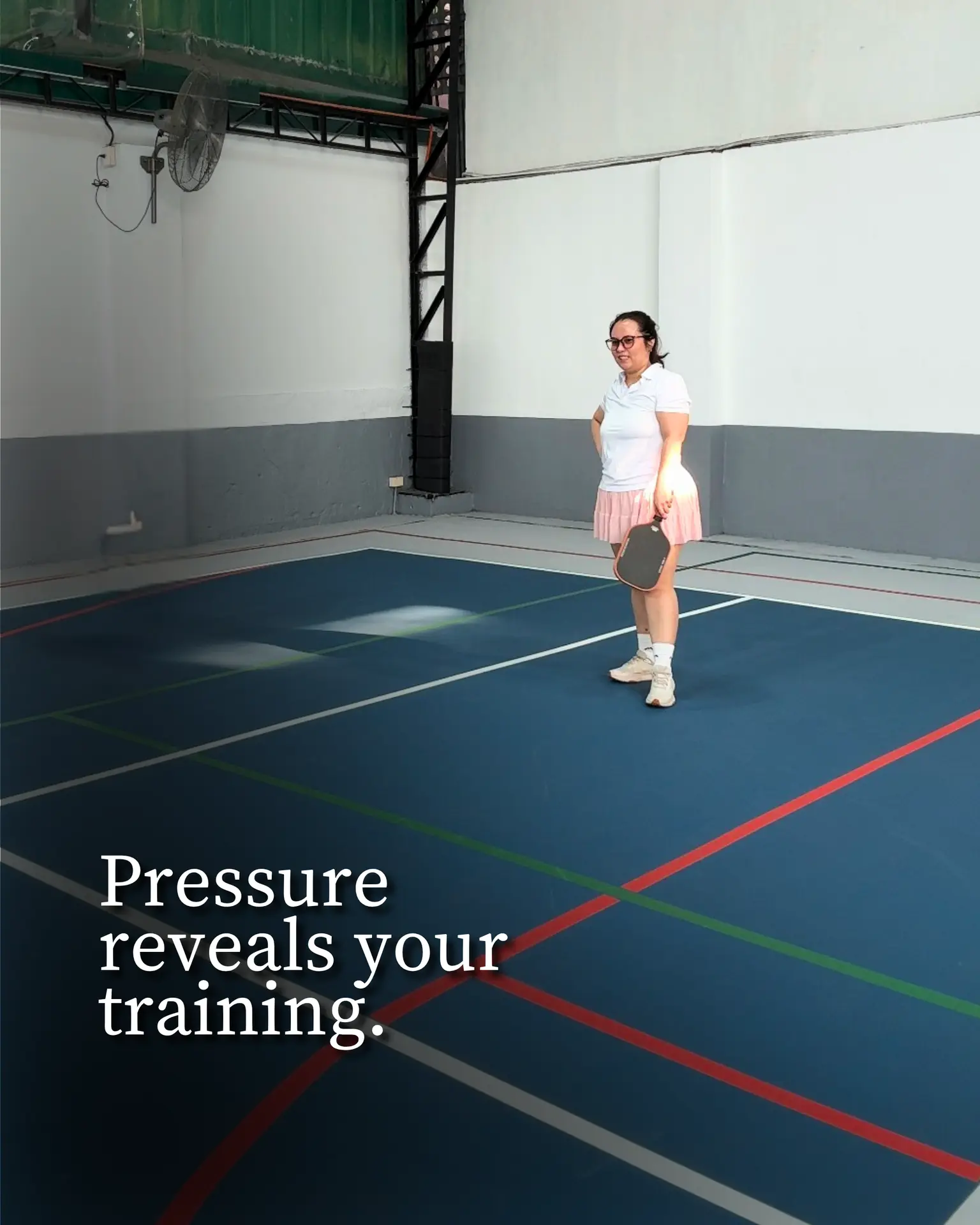
When the score is close and the pressure is on, you don’t suddenly develop better technique.
You fall back on what you’ve practiced.
That’s why athletes train the same movements over and over again. The goal is to repeat them so many times that when there isn’t much time to think, their training takes over.
I think business works the same way.
It’s easy to lead well when everything is going well.
It’s easy to make thoughtful decisions when there’s plenty of money in the bank, the calendar is full, the team is performing, and nothing urgent needs your attention.
But what happens when sales suddenly drop?
When someone important leaves?
When something goes wrong with a client?
When you have to make a difficult decision quickly?
Pressure has a way of revealing what we’ve actually practiced.
Our systems. Our habits. Our discipline. The way we communicate. The way we make decisions. Even the way we regulate our own emotions when things aren’t going according to plan.
You can’t wait for the difficult season to start building these things.
Just like an athlete doesn’t wait until match point to start practicing their serve.
You train for the pressure before the pressure arrives.
I think business owners need this reminder often.
Not everything is going to work.
There will be bad decisions.
Bad days.
Bad months.
Ideas that go nowhere.
Clients you lose.
Money you wish you hadn’t spent.
Opportunities you miss.
But one point doesn’t determine an entire game.
And one chapter doesn’t determine an entire business.
Learn what you can from it, reset, and get ready for the next serve.
Athletes understand that you can’t perform at maximum intensity indefinitely.
The body needs recovery.
Rest isn’t separate from training. It’s part of it.
Business owners aren’t always very good at remembering this.
There is always another email to answer, another problem to solve, another idea to execute and another way the business could improve.
But constantly working doesn’t necessarily mean constantly progressing.
Busy is not a KPI.
And somewhere along the way, I think we started treating being busy as something impressive. As if having no time, always working, and constantly being needed are signs that a business is doing well.
You don’t have to be busy all the time to look successful. And we probably need to stop glorifying it as if exhaustion is proof that we’re doing something right.
If anything, a business that is growing well should eventually give you more freedom, not require every waking hour of your life just to keep it alive.
There will absolutely be seasons when the work demands more from us. But that shouldn’t have to become our identity.
Success shouldn’t be measured by how busy we look, but by what all that work is actually producing.
Sometimes stepping away is what allows us to come back sharper.
Great athletes still have coaches.
They still practice fundamentals.
They still review what went wrong.
They still train.
Becoming good doesn’t eliminate the need to learn. If anything, becoming better makes you more aware of how much more there is to understand.
Business is no different.
Experience should give us confidence, but hopefully never the kind of confidence that makes us believe there is nothing left to learn.
Playing against someone better than you can be uncomfortable.
Suddenly, weaknesses you didn’t even realize you had become very obvious.
But that’s also how you improve.
Business competitors can do the same thing.
Someone enters the market and raises the standard. Someone introduces something better. Someone communicates more effectively. Someone executes an idea you’ve been thinking about for years.
Our first instinct might be to feel threatened.
And I think this is where ego comes in, either to help us or to get the best of us.
Ego can be constructive. It can make you say, Okay, I need to get better. It can fuel your competitive spirit, push you to raise your standards, work harder, learn something new, and prove to yourself that you’re capable of more.
But ego can also do the opposite.
It can make us defensive. It can make us dismiss what someone else is doing simply because they’re our competitor. It can keep us attached to what we’ve always believed or how we’ve always done things, even when the market is giving us clear signs that something needs to change.
There is a difference between having confidence in your own game and refusing to learn from someone else’s.
Your competitor doesn’t always have to be someone you beat. Sometimes they’re showing you where the game is going.
So instead of immediately asking, How do I beat them? another question is available to us:
What are they forcing me to become better at?
Sometimes competition is exactly what keeps us from becoming complacent.
And if we can put our ego to work for us instead of letting it blind us, our competitors might end up becoming some of our greatest teachers.
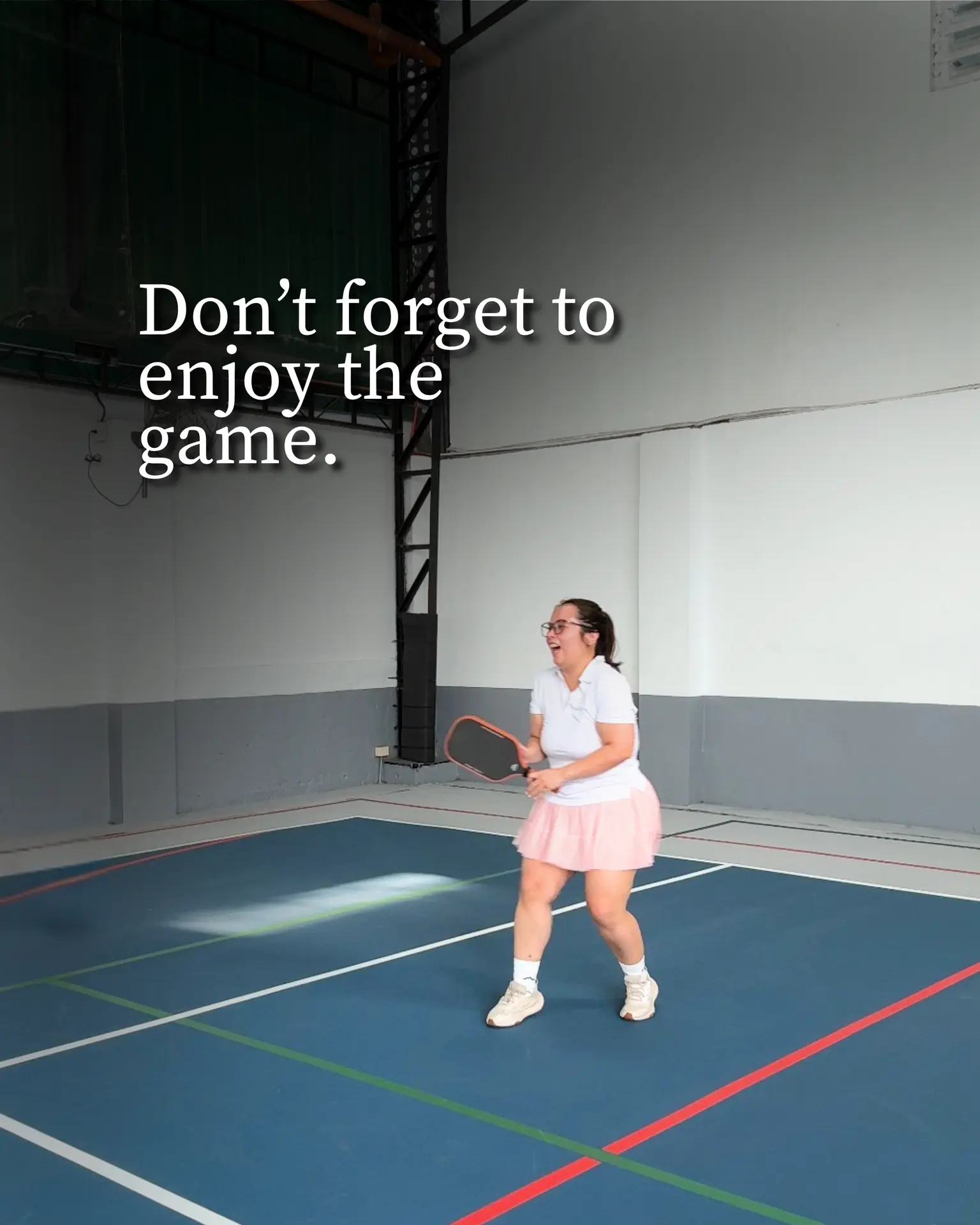
Sports are hard.
Training is hard.
Losing is hard.
Being disciplined enough to keep showing up is hard.
Which is exactly why loving the sport matters.
You can be competitive. You can take it seriously. You can want to become great.
But somewhere along the way, you still have to have fun.
I think this is particularly easy to forget in business.
Something we once dreamed about having becomes something filled with targets, payroll, responsibilities, problems, competition and an endless list of things that need our attention.
And somewhere in all of that, we can forget that there was once a version of us who was simply excited to get to do this.
Maybe every once in a while, we need to remember that person.
The one who wasn’t thinking about being the biggest.
The one who wasn’t comparing numbers.
The one who wasn’t worried about everything that could go wrong.
The one who simply loved the idea enough to begin.
Because business is hard.
And if we’re going to spend so much of our lives building something, we should hopefully still find moments when it feels like something we actually want to play.
Take the game seriously.
But never so seriously that you forget why you started playing.
Maybe the biggest thing sports and business have in common is that, at first, we think the goal is something outside of ourselves.
To win the game.
To build the business.
To reach the number.
To become better than we were yesterday.
But somewhere along the way, we realize that while we’re busy trying to get better at the game, the game is getting something better out of us, too.
It teaches us to show up when we don’t feel like it. To lose without believing we’re losers. To compete without making enemies. To adjust when something isn’t working. To put our ego aside when there is something to learn. To rest without feeling guilty. And to keep going when the outcome isn’t what we hoped for.
Maybe that’s why the game matters.
Not just because of what we can win from it, but because of who we become by continuing to play it.
And through all the discipline, competition, pressure, losses, training and ambition, I hope we don’t forget one very simple thing:
We’re also supposed to enjoy the game.
There was a reason we picked up the racket in the first place.
And there was a reason we started the business in the first place.
So take it seriously. Train. Compete. Try to win. Get better.
But never become so consumed with winning that you forget how lucky you are to get to play.